
Radial and Focused Shockwave in Perth: Acoustic Wave Technology
If you’re managing persistent pain or recovering from an injury, radial and focused shockwave in Perth offers distinct acoustic wave approaches that may help manage symptoms and support tissue healing.
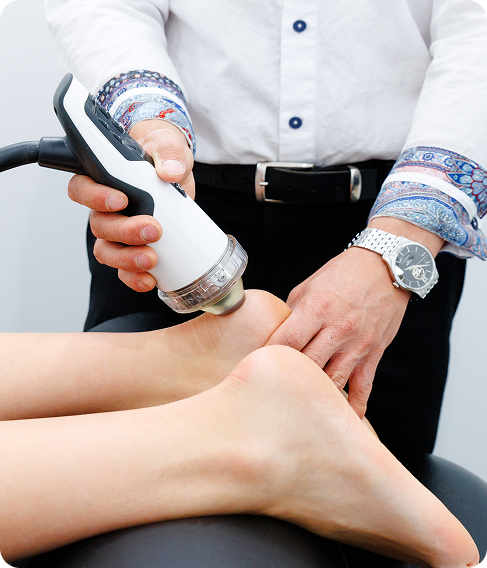
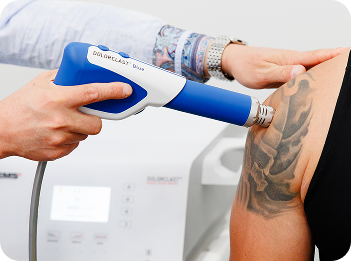
How Radial and Focused Shockwaves Differ
Radial shockwave therapy uses acoustic waves that spread outwards from the point of contact, covering a broader treatment area near the surface of soft tissues. This approach is often used for conditions affecting tendons, muscles, and superficial structures. The waves disperse energy across a wider zone, which can be helpful when managing larger areas of discomfort or when the exact source of pain is difficult to pinpoint.
Focused shockwave therapy delivers concentrated acoustic energy to a specific, targeted point deeper within the tissue. The waves converge at a precise focal point, making this approach suitable for addressing localised conditions in deeper structures such as bones, joints, or deep tendon attachments. Focused shockwave can deliver more intensive energy to a smaller, defined area compared to radial applications.
Individual responses vary after each therapy. A clinical assessment is required to determine suitability.
Conditions Often Managed with the Help of Radial Shockwave
Achilles Tendinopathy
This condition involves pain and stiffness in the Achilles tendon, often affecting runners and active individuals. Radial shockwave may help manage symptoms by encouraging tissue response and supporting recovery in the affected tendon structure.
Plantar Fasciitis
Characterised by heel pain, particularly noticeable during the first steps in the morning, plantar fasciitis affects the thick band of tissue along the bottom of the foot. Radial shockwave therapy in Perth can be used to address discomfort in this area.
Tennis Elbow (Lateral Epicondylitis)
Tennis elbow causes pain on the outer part of the elbow, often from repetitive wrist and arm motions. Radial shockwave may support recovery by addressing the affected tendon attachments and surrounding soft tissue in the forearm.
Conditions Often Managed with the Help of Focused Shockwave
Bone Stress Injuries
Bone stress injuries occur when repetitive force causes small cracks or weakening in bone tissue. Focused shockwave can deliver concentrated energy to the affected bone area, which may help stimulate tissue processes.
Chronic Localised Tendon Pain
When tendon pain persists in a specific, well-defined location, such as deep tendon attachments near joints, focused shockwave provides targeted energy delivery. This precision can be valuable when managing stubborn, localised tendon conditions that haven't responded to other approaches.
Non-union or Slow-healing Fractures
Some fractures fail to heal properly or take longer than expected to fuse. Focused shockwave therapy in Perth may be used to encourage bone healing by delivering concentrated acoustic energy directly to the fracture site.
What to Expect During Treatment
Initial assessment
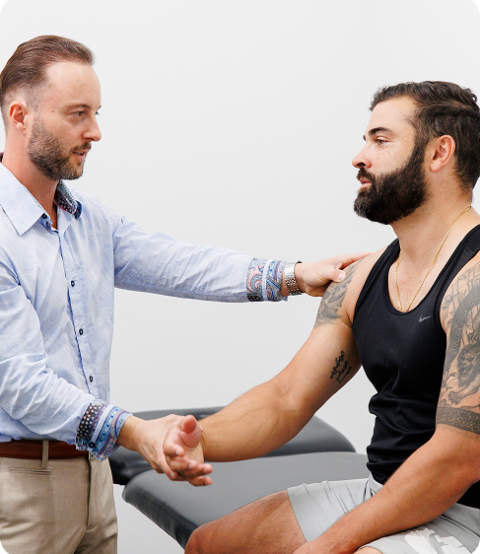
Your practitioner will examine the affected area, review your medical history, and discuss your symptoms to determine which type of shockwave treatment may be appropriate for your injuries.
Positioning and Preparation
You'll be positioned comfortably to allow access to the treatment area. A coupling gel is applied to your skin to help the acoustic waves transmit effectively into the tissue.
Application of Acoustic Waves
The practitioner will apply the shockwave device to the treatment area. You may feel pulses or tapping sensations, and some discomfort is common, particularly over sensitive or injured areas. The intensity can often be adjusted based on your tolerance.
Post-treatment Discussion
After the session, your practitioner will discuss what to expect afterwards, including the possibility of soreness or the need for activity modifications. They'll also discuss changes to your treatment plan, if any, and schedule follow-up sessions, if appropriate.
You’ll be asked about your condition, current symptoms, and previous therapies. This helps determine whether EMTT may complement your treatment plan for chronic pain therapy in Perth.
Your medical practitioner will gently assess the affected area. This step helps us identify areas of discomfort or limited function, allowing us to design your electromagnetic transduction therapy plan accurately.
You’ll be guided through how the therapy works and what to expect during treatment. The practitioner will explain how EMTT may fit into your care plan for chronic pain therapy in Perth.
If appropriate, a short session is conducted. Pulsed magnetic fields are applied to the surface near the affected area to begin your electromagnetic transduction therapy.
Potential Benefits and Considerations of Radial vs Focused Shockwave Therapies
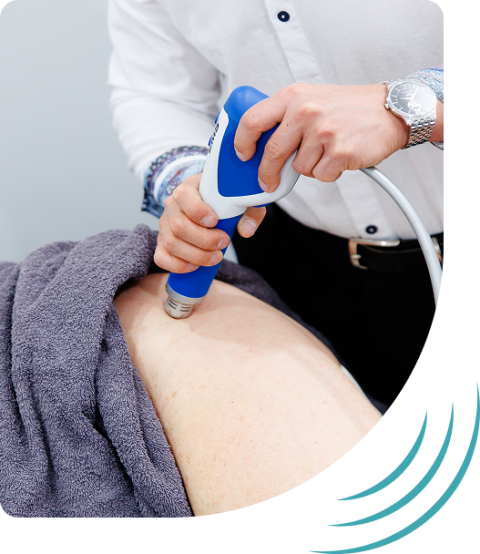
Why Radial Shockwave?
- Radial shockwave covers a broader treatment area, which can be useful when the pain source is diffused or when managing larger regions of soft tissue.
- Energy is distributed widely rather than concentrated at one point. Patient comfort levels vary between individuals and treatment approaches.
- It's often used for superficial conditions like tendinopathies and muscle tension.
Why Focused Shockwave?
- Focused shockwave delivers more intensive energy to a precise location, reaching deeper structures such as bone, deep tendons, or joint spaces.
- The targeted nature of focused shockwave therapy in Perth can be valuable for well-localised conditions where accuracy is required.
- This approach may be selected when other non-invasive methods haven't provided adequate results for deeper, chronic conditions.
General Considerations
- Both shockwave approaches typically require multiple sessions spaced over several weeks, with results developing gradually rather than immediately.
- Some patients experience temporary discomfort or soreness following sessions, and activity modifications may be recommended during treatment.
- Individual responses to shockwave treatment for injuries vary—not all patients achieve the same improvement level.
Who May Be a Candidate for Shockwave Therapy
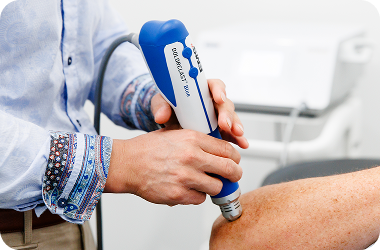
Persistent Musculoskeletal Pain
Individuals experiencing persistent tendon, muscle, or bone pain that hasn’t adequately responded to initial conservative approaches may consider shockwave therapy.
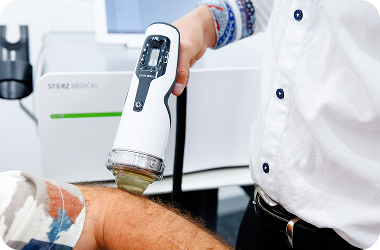
Seeking Non-invasive Options
Patients who prefer to explore non-invasive pain therapy alternatives before considering more invasive interventions should discuss suitability with their practitioner during assessment.
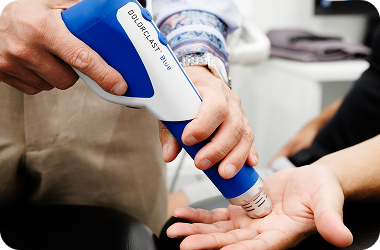
Cleared for Treatment
Why Choose Us for Radial and Focused Shockwave in Perth
Comprehensive Approach to Shockwave Care
Impact Shockwave and Technology Centre offers both radial and focused shockwave therapy. These modalities target different tissue depths, allowing tailored care for various musculoskeletal concerns. Having both therapies available enables practitioners to recommend the most suitable approach based on your condition, goals, and response to treatment.
Personalised Programs Based on Assessment
Your care begins with a thorough assessment to understand your symptoms, medical history, and movement goals. Treatment settings such as pressure, frequency, and session intervals are adjusted as needed. This personalised approach helps provide appropriate care and supports recovery from pain or chronic musculoskeletal conditions over time.
Evidence-Based and Non-Invasive Treatment
Shockwave therapy uses acoustic energy to stimulate natural healing responses within affected tissues. It is a non-invasive option for managing various musculoskeletal conditions, often used when other conservative measures have not provided relief. Each session is delivered in a professional and comfortable setting, with a focus on patient safety and understanding.
Collaborative and Supportive Patient Experience
Our team provides guidance at every stage of care, explaining what to expect before, during, and after each session. We encourage communication and collaboration with your referring practitioner or allied health professional to maintain continuity of care and track your progress throughout your therapy journey.
Contact Us to Discuss Shockwave Therapy Options
If you’re considering radial shockwave therapy in Perth or focused shockwave therapy in Perth, we can help you understand which approach may be appropriate for your condition. Contact us to arrange a consultation and discuss your pain management options.
Get to Know Nicholas Wigger
Nicholas Wigger is a highly regarded physiotherapist in Perth with nearly two decades of clinical experience. He takes a modern, results-focused approach to musculoskeletal care, helping patients recover mobility and function using advanced technologies and hands-on techniques.
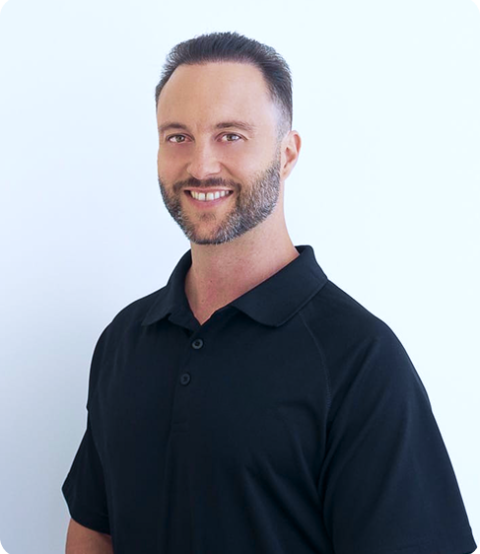
Nick Wigger
Advanced Level 3 GEMt Dry Needler
- MD, PhD
- 15+ Years
"I'm committed to using evidence-based techniques that show effective results without overcomplicating what good care should be."
Nick is widely recognised for his work in musculoskeletal therapy. He uses non-invasive modalities such as shockwave, magnetotransduction, and photobiomodulation to support recovery and long-term comfort.
Cost and Payment Options
Initial Consultation
Starts at
$250.00 (Focused)
AUD
$179.00 (Radial)
AUD
- Your initial consultation includes a comprehensive assessment of your condition, a medical history review, and a discussion of treatment suitability.
- The practitioner explains differences between radial and focused approaches and recommends appropriate options.
- This consultation lasts 30 minutes.
Standard Consultation
Starts at
$250.00 (Focused)
AUD
$179.00 (Radial)
AUD
- Standard consultations are ongoing treatment sessions following initial assessment and last 15 minutes.
- These sessions involve shockwave application with adjustments based on your response to previous treatments.
- The practitioner monitors progress and modifies the approach as needed.
Extended Consultation
Starts at
$310.00 (Focused)
AUD
$250.00 (Radial)
AUD
- Extended consultations allow comprehensive assessment and treatment over 30 minutes.
- These sessions may be appropriate for multiple areas or when combining shockwave with other approaches.
- Extended consultations provide more time for discussion and thorough treatment application.
Frequently Asked Questions About Radial and Focused Shockwave
Understanding the advantages of shockwave therapy can help you decide about this treatment option. Here are some common questions about shockwave therapy and insightful answers to clarify its key benefits and applications.
What is the main difference between radial and focused shockwaves?
The primary difference between radial and focused shockwaves in Perth lies in how the acoustic waves are delivered. Radial shockwave spreads energy outwards from the point of contact, covering a broader area and affecting superficial tissues. Focused shockwave concentrates energy at a specific focal point deeper within the tissue. Think of radial as casting a wider net, whilst focused targets a precise location.
What takes place within the tissue during Shockwave Therapy?
Shockwave Therapy uses controlled sound waves directed into an area of the body. These sound waves create mechanical effects within the tissue. The following processes may occur:
- Increased circulation: Shockwaves can encourage more blood to move through the area. This may help bring oxygen and nutrients to the surrounding tissue.
- Activation of the body’s natural responses: The mechanical pressure may prompt the body to activate its normal biological processes. These processes can support the body’s own efforts to maintain tissue health.
- Release of signalling molecules: The mechanical effect may encourage the release of natural signalling molecules. These molecules can guide cellular activity within the area.
- Support for new small blood vessel formation: Some research suggests that shockwaves may promote the formation of new small blood vessels (neovascularisation). These vessels may improve circulation in the region.
Responses can vary between individuals. Your overall health, your condition, and other personal factors may influence how your body responds.
How do I know which type of shockwave therapy I need?
Your practitioner will assess your condition, pain location, tissue depth, and treatment goals during your initial consultation. Superficial tendon and muscle conditions may be suitable for radial shockwave therapy in Perth, whilst deeper bone, joint, or deep tendon issues may be suitable for focused shockwave therapy in Perth. The decision is based on clinical assessment rather than patient preference alone. Individual responses vary.
Can radial and focused shockwaves be combined in one session?
Yes, in some cases, practitioners may use both radial and focused shockwave in Perth during the same treatment session or as part of the overall care plan. For example, a focused shockwave might be applied first to target a deep, localised issue such as a bone injury. This can then be followed by a radial shockwave to address surrounding soft tissue tension or muscle tightness in the broader area. This combined approach may be recommended by your practitioner when your condition involves both deep structural concerns and superficial soft tissue involvement. Suitability depends on individual assessment.
However, the decision to combine therapies is made on an individual basis during your assessment. Your practitioner will consider factors such as your specific diagnosis, pain presentation, tissue tolerance, treatment goals, and how you’ve responded to previous sessions before recommending a combined approach.
Does focused shockwave reach deeper tissues than radial?
Yes, focused shockwave is specifically designed to deliver concentrated energy to deeper structures, potentially reaching several centimetres into tissue. Radial shockwave primarily affects more superficial tissues, typically within the first few centimetres from the skin surface. This difference in penetration depth is a key factor in treatment selection.
Is there more discomfort with focused shockwave compared to radial?
Discomfort levels vary by individual and depend on the treatment area, intensity settings, and the patient’s pain tolerance. Some patients find focused shockwave more intense due to its concentrated energy delivery, whilst others tolerate it well. Your practitioner can adjust intensity settings, and your feedback during treatment helps guide appropriate energy levels.
How many sessions are usually recommended for each type?
Treatment frequency varies based on your condition and response, but most patients undergo between three and six sessions for either radial or focused shockwave therapy. Sessions are typically spaced one to two weeks apart to allow tissues time to respond and heal between treatments.
Acute or less complex conditions, such as mild tendinopathy or recent muscle strain, may require fewer sessions. Some patients notice changes within three to four treatments, though individual responses vary. Chronic or complex cases, particularly those involving deep tissue structures, bone healing, or long-standing pain, may require six or more sessions to achieve significant improvement. The spacing between sessions is important, as the therapeutic effects of shockwave continue to develop over days and weeks following each treatment.
Your practitioner will assess your progress after each session and adjust the treatment plan accordingly. Factors influencing session frequency include the severity of your condition, how long you’ve had the problem, your tissue response to treatment, and your overall healing capacity.
Are both therapies non-invasive?
Yes, both radial and focused shockwaves are non-invasive pain therapy approaches. Neither requires incisions, injections, or skin penetration beyond the acoustic waves themselves. This makes them preferred options for patients seeking alternatives to more invasive interventions.
Can shockwave therapy help if other treatments have failed?
Shockwave treatment for injuries may be an option worth discussing for some conditions that haven’t responded to initial management strategies such as rest, physical therapy, or manual treatments. Many patients explore shockwave therapy when conservative approaches have provided limited improvement, particularly for chronic tendinopathies, persistent plantar fasciitis, or long-standing musculoskeletal pain.
The acoustic wave technology works differently from traditional therapies. Some patients notice changes when other methods haven’t provided adequate relief, though the reasons for individual variation in response are not fully understood. Outcomes vary considerably by individual, the specific condition being addressed, how long the problem has existed, and your body’s healing capacity. Some patients may experience improvement, while others may not notice significant benefit.
During your consultation, your practitioner will assess whether your condition may be suitable for shockwave therapy based on your treatment history, current symptoms, and individual circumstances. This discussion helps determine if shockwave represents an appropriate option for your situation.
Is there downtime after radial or focused shockwave?
Most patients can resume normal activities immediately following treatment, though some temporary soreness or increased pain for 24 to 48 hours afterwards is common. Your practitioner may recommend modifying certain activities or exercises during your treatment course. Significant downtime is typically not required, making it suitable for active individuals.
Are the results of focused shockwave longer-lasting than radial?
There is no clear evidence suggesting one approach provides longer-lasting results than the other. Duration of benefit depends more on the specific condition being addressed, severity, individual healing response, and whether underlying contributing factors are also managed. Both approaches aim to stimulate tissue healing processes that can provide lasting improvement.
How quickly might I notice improvements?
Response times vary significantly amongst individuals. Some patients notice changes within a few days following treatment, whilst others experience gradual improvement over several weeks or months. Some patients may not experience significant improvement. Individual responses vary considerably.
Are there risks or side effects with either therapy?
Both radial and focused shockwaves are generally well-tolerated, though some side effects can occur as part of the normal tissue response to treatment. Understanding what to expect can help you feel prepared and recognise which effects are normal and which might require follow-up. Common side effects include the following:
- Temporary pain or discomfort at the treatment site:
You may experience increased soreness or aching in the treatment area following your session. Duration varies between individuals, with most patients finding that soreness subsides within a few days. - Redness and skin sensitivity:
The area may appear slightly red or feel tender to the touch immediately after your session. This usually fades within a few hours to a day and indicates increased blood flow to the region. - Bruising:
Some patients develop minor bruising at the treatment site, particularly if they have sensitive skin or are taking medications that affect blood clotting. Bruising typically fades within several days to a week. - Swelling:
Mild swelling can occur as part of the inflammatory healing response triggered by shockwave therapy. This is generally temporary and subsides within a few days. - Temporary symptom increase:
Some patients notice their symptoms worsen slightly for a few days before improvement begins. This is not uncommon and often precedes a positive treatment response.
Serious complications are rare when treatment is delivered appropriately by trained practitioners. Your practitioner will discuss risks specific to your situation during your consultation and answer any concerns you may have.
How is the decision made between radial and focused therapy?
The decision between radial and focused shockwave is based on a comprehensive clinical assessment during your initial consultation. Your practitioner evaluates multiple factors to determine which approach or combination of approaches may be most appropriate for your specific situation. Key considerations include the following:
- Condition type and diagnosis:
Different conditions respond better to different shockwave modalities. Superficial tendinopathies, muscle tension, and trigger points may be suitable for treatment with radial shockwaves’ broader coverage. Bone stress injuries, deep tendon issues, and non-union fractures are often addressed with the concentrated energy delivery of focused shockwaves. Treatment selection depends on individual assessment. - Tissue location and depth:
The depth of the affected tissue plays a crucial role in treatment selection. Radial shockwave effectively addresses structures within the first few centimetres from the skin surface. Focused shockwave can reach deeper tissues several centimetres below, making it suitable for conditions affecting bones, joints, or deep tendon attachments. - Chronicity of symptoms:
How long you’ve had the condition influences the approach. Acute conditions may respond well to either modality, whilst chronic, long-standing issues, particularly those in deeper structures, are often addressed with focused shockwaves’ more intensive energy delivery. Individual assessment determines the appropriate treatment approach. - Previous treatment responses:
Your history with other therapies provides valuable information. If you’ve tried conservative approaches without adequate improvement, this helps guide whether a broader radial approach or a more targeted, focused approach might be more suitable. - Pain presentation and distribution:
Whether your pain is localised to a specific point or spread across a larger area helps determine treatment selection. Diffuse, widespread pain often responds better to radial shockwave, whilst pinpoint, well-localised pain may be suitable for focused shockwave’s precision. Treatment response varies between individuals.
Your practitioner’s training and experience with both modalities allow for informed recommendations about which approach may be most appropriate. During your consultation, your practitioner will explain their reasoning and discuss why a particular approach is recommended for your condition.
Is there a difference in session length between radial and focused?
Session length depends more on the treatment area size and complexity than on the type of shockwave used. However, focused shockwave treatments may sometimes be quicker when targeting a single, well-defined point, whilst radial treatments covering larger areas might take slightly longer. Standard consultations typically last around 15 minutes, whilst extended consultations allow 30 minutes for more comprehensive care.
Find More Contact Information Here
Contact us today to discover more about our services and how we can assist you. Our friendly staff is available to answer any questions and schedule your appointments.
Location
Surgeons House, 162 Cambridge Street, West Leederville WA
Email Us
Call Us
Working Hours
Tuesday to Friday: 9:00 AM - 5:00 PM
Saturday to Monday: CLOSED
