
Recovery Support Through Combination Therapy and Full Protocol in Perth
How the Full Protocol Works
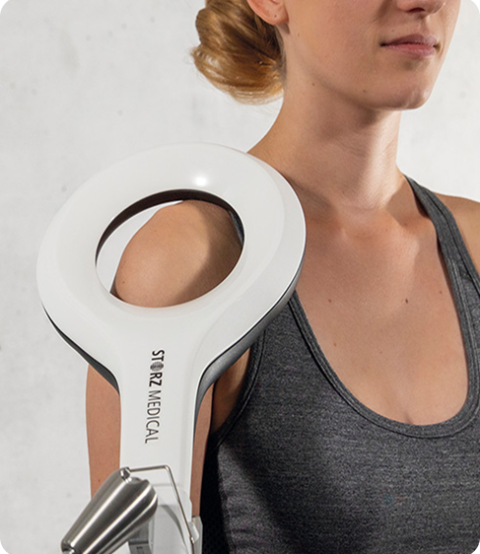
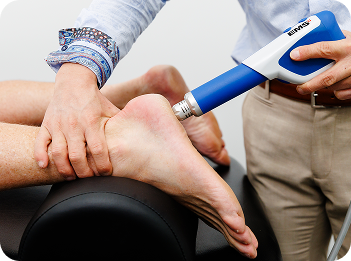
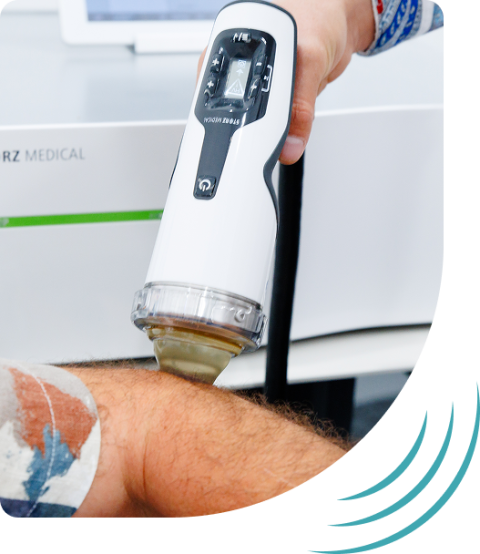
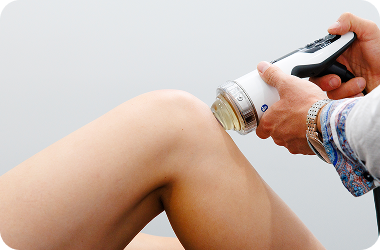
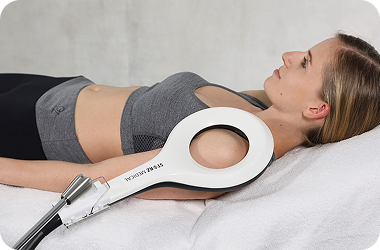
The full protocol therapy at Impact Shockwave and Technology Centre follows a three-tiered approach designed to assist in relieving musculoskeletal discomfort and improving mobility. It begins with EMTT (Magnetolith), which uses electromagnetic transduction therapy designed to influence cellular activity. This process prepares the cell to better absorb nutrients and beneficial biological signals. The next step involves shockwave therapy (SWT). This stimulates blood flow and draws key healing mediators to the area, helping create conditions that may support the body’s natural healing response.
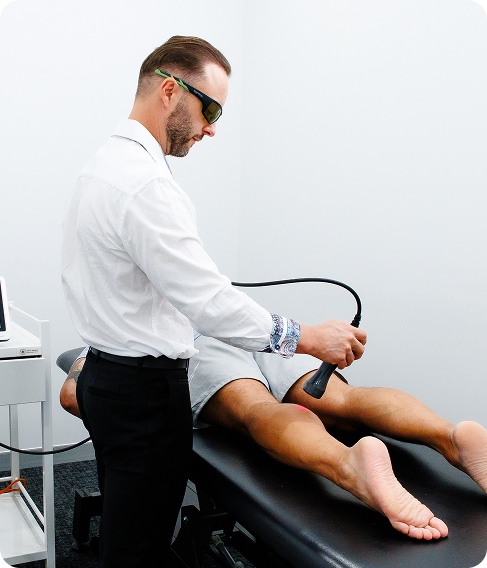
The final tier uses high-powered laser therapy (PBM). This therapy introduces specific wavelengths of light, which the body can absorb to support normal cellular energy processes. When applied together, these techniques aim to prepare the area and support the body’s natural recovery mechanisms.
Common Areas Where Combination Therapy May Be Used to Support Recovery
Achilles Tendinopathy
This condition affects the tendon at the back of the ankle and may cause pain with walking or running. Full protocol therapy may assist in relieving local discomfort and promoting mobility.
Plantar Fasciitis
Pain at the base of the heel, often worse in the morning, may be linked to inflammation of the plantar fascia. Combination therapy in Perth may help support comfort, mobility, and overall foot function.
Patellar Tendinopathy (Jumper’s Knee)
Common in jumping sports, this condition affects the tendon below the kneecap. A targeted approach using non-invasive pain therapy in Perth may help support comfort and mobility.
Rotator Cuff Tendinopathy
This condition involves irritation in the tendons that stabilise the shoulder. Advanced regenerative therapy may be used alongside other techniques to support the body’s natural response and recovery.
Tennis Elbow (Lateral Epicondylitis)
This involves pain on the outside of the elbow and can occur with repeated gripping or lifting. Full protocol therapy may assist in promoting local circulation and supporting the body’s recovery processes.
Non-union or Slow-healing Fractures
Some fractures take longer to heal than expected. Advanced regenerative therapy may be included in a broader care plan to support the body’s natural recovery processes.
What to Expect During Treatment
Initial assessment
Your practitioner will review your medical history, discuss symptoms, and perform a physical examination to determine if combination therapy and full protocol in Perth aligns with your specific presentation and goals.
Personalised plan
If appropriate, a therapy plan is created. This includes recommended modalities, frequency of sessions, and expected timelines based on your condition and clinical response.
Therapy session
The selected therapies are applied in a specific sequence during each session. Your comfort, physical response, and tolerance levels are carefully considered, and adjustments can be made throughout the appointment.
Progress review
Your progress is reviewed at regular intervals, with clinical observations and symptom changes guiding any updates to the therapy plan, including frequency, modality use, or session duration.
You’ll be asked about your condition, current symptoms, and previous therapies. This helps determine whether EMTT may complement your treatment plan for chronic pain therapy in Perth.
Your medical practitioner will gently assess the affected area. This step helps us identify areas of discomfort or limited function, allowing us to design your electromagnetic transduction therapy plan accurately.
You’ll be guided through how the therapy works and what to expect during treatment. The practitioner will explain how EMTT may fit into your care plan for chronic pain therapy in Perth.
If appropriate, a short session is conducted. Pulsed magnetic fields are applied to the surface near the affected area to begin your electromagnetic transduction therapy.
Learn More About Potential Benefits and Considerations
Potential Benefits
-
Multi-modal approach
Using different techniques in a single session aims to support various aspects of tissue function. -
Targeted application
Each therapy is directed towards the affected area. This aims to create conditions for the body's natural processes. -
Non-invasive methods
Sessions do not involve surgery or injections. This may appeal to individuals seeking treatment options that do not require invasive intervention.
Possible Limitations
-
Individual responses may vary
Results are not the same for everyone. Factors like age, condition severity, and overall health can influence how the body responds to therapy. -
Multiple sessions may be needed
Improvements may not occur immediately. Most protocols involve several appointments, with gradual changes assessed over time by your practitioner. -
Not suitable for everyone
Certain health conditions or medications may affect suitability. A thorough assessment is required before proceeding with any combination of therapies.
Who May Be a Candidate for Combination Therapy
Persistent musculoskeletal pain
People experiencing ongoing joint or tendon discomfort despite rest and general care may consider supportive therapeutic approaches.
Slow tissue recovery

Seeking non-surgical care
Why Choose Us for Combination Therapy and Full Protocol
Integrated Modalities for Broader Benefits
Our Full Protocol combines shockwave therapy, EMTT Magnetolith Therapy, and photobiomodulation to support tissue function at different depths. Each stage complements the others, helping create an environment for improved mobility, circulation, and musculoskeletal comfort over time.
Personalised Care Tailored to Each Assessment
Every treatment plan begins with a comprehensive evaluation of your condition and goals. Practitioners adjust device settings, session frequency, and modality combinations to suit your response and comfort. This personalised approach helps guide steady progress and supports your overall recovery journey.
Evidence-Based and Non-Invasive Approach
All three technologies—shockwave, EMTT, and laser therapy—are backed by research and applied using clinical guidelines. These non-invasive methods provide an alternative to medication or surgery, supporting musculoskeletal care safely and effectively under professional supervision.
Supportive Environment for Lasting Results
From consultation to follow-up, our team focuses on clear communication, comfort, and collaboration. We work with you—and where relevant, your referring practitioner—to maintain continuity of care, track results, and encourage lasting wellbeing across all stages of your program.
Book an Appointment and Take the Next Step with Our Full Protocol Approach
Ready to explore whether our full protocol approach may be right for you? Book an appointment to discuss your symptoms and learn more about your options.
Get to Know Nicholas Wigger
Nicholas Wigger is a highly regarded physiotherapist in Perth with nearly two decades of clinical experience. He takes a modern, results-focused approach to musculoskeletal care, helping patients recover mobility and function using advanced technologies and hands-on techniques.
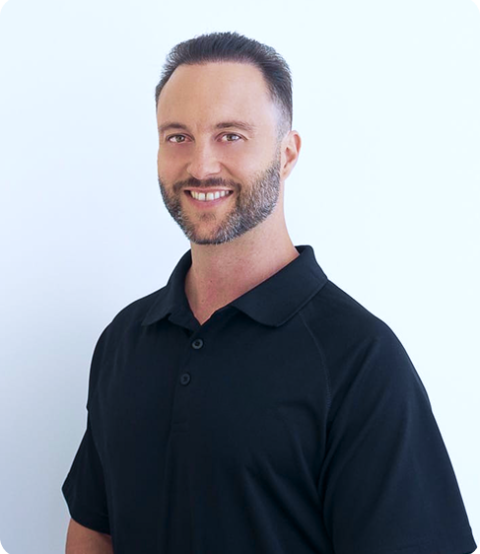
Nick Wigger
Advanced Level 3 GEMt Dry Needler
- MD, PhD
- 15+ Years
"I'm committed to using evidence-based techniques that show effective results without overcomplicating what good care should be."
Nick is widely recognised for his work in musculoskeletal therapy. He uses non-invasive modalities such as shockwave, magnetotransduction, and photobiomodulation to support recovery and long-term comfort.
Cost and Payment Options
Initial Consultation
$350.00
AUD
- This 30-minute session includes a comprehensive assessment of your condition, a medical history review, and a discussion of treatment suitability.
- The practitioner explains the combination and full protocol approaches and recommends appropriate options.
- You'll receive tailored guidance on whether these therapies may be suitable for your condition and goals.
Standard Consultation
$350.00
AUD
- This 15-minute session focuses on ongoing treatment following your initial assessment, with shockwave application adjusted based on your response to previous treatments.
- The practitioner monitors progress and modifies the approach as needed to support your treatment plan.
- These sessions help maintain treatment consistency and support progress between appointments.
Extended Consultation
$350.00
AUD
- This 30-minute session provides time for comprehensive reassessment and treatment when addressing multiple areas or combining it with other therapeutic approaches.
- Your practitioner will deliver a full-length, focused session targeting key areas requiring attention.
- Extended consultations allow thorough treatment application and guidance between visits.
Frequently Asked Questions About Combination Therapy and Full Protocol
Understanding the advantages of shockwave therapy can help you decide about this treatment option. Here are some common questions about shockwave therapy and insightful answers to clarify its key benefits and applications.
What is combination therapy, and how does the full protocol work?
Combination therapy in musculoskeletal care refers to the use of multiple non-invasive technologies in a coordinated session. Rather than relying on a single modality, this approach applies a structured sequence of therapies that aim to support the body’s recovery process. This approach may be considered in cases where recovery has been slower than expected or where individuals seek options that do not involve surgery or medication.
At Impact Shockwave and Technology Centre, the full protocol follows a three-stage framework designed to assist in relieving musculoskeletal discomfort and improving mobility:
- Electromagnetic Transduction Therapy (EMTT)
- Delivered via the Magnetolith device, EMTT uses electromagnetic fields designed to influence cellular activity.
- This process helps prepare tissues to better absorb nutrients and beneficial biological signals, forming the foundation for the following stages.
- Shockwave Therapy (SWT)
- Acoustic pulses are directed to the affected area to stimulate local blood flow and attract key biological mediators.
- This helps create conditions that may support the body’s natural repair mechanisms.
- High-Powered Laser Therapy (Photobiomodulation or PBM)
- Specific wavelengths of light are applied to the treatment area.
- The light energy is absorbed by cells to support normal cellular energy processes and promote tissue activity.
When used together, these stages work sequentially to prepare, activate, and energise tissues—helping to support natural recovery and mobility.
By applying these stages in sequence, combination therapy and full protocol in Perth seeks to optimise the body’s own repair responses. While not suitable for everyone, it may be considered after clinical evaluation for specific musculoskeletal concerns.
Which technologies are included in the Full Protocol?
The full protocol combines multiple modalities often used as part of non-invasive pain therapy in Perth. It typically includes three technologies applied in a specific sequence to support musculoskeletal care:
- Electromagnetic Transduction Therapy (EMTT):
EMTT uses pulsed electromagnetic fields. This technology is applied to the affected area as part of the protocol. - Shockwave Therapy (SWT):
Shockwave therapy delivers focused acoustic pulses to the affected area. - Photobiomodulation (PBM) / High-Powered Laser Therapy:
This light-based technology applies specific wavelengths to the affected area.
These technologies are applied in sequence to help optimise the conditions surrounding affected tissues. Selection depends on your goals, symptoms, and the result of your professional assessment.
How is this different from using just Shockwave Therapy?
Shockwave therapy is often used on its own to stimulate blood flow and support soft tissue activity. In contrast, combination therapy applies multiple technologies in a structured sequence, each targeting a different aspect of musculoskeletal care. For example, electromagnetic transduction therapy (EMTT) and laser therapy (PBM) each target different aspects of tissue function. This layered approach aims to support the body’s natural processes through multiple modalities.
How long does a Full Protocol appointment take?
A full protocol appointment usually takes 30 to 45 minutes, depending on the number of areas being managed and your individual response. This includes time for applying each therapy in the sequence—electromagnetic transduction (EMTT), shockwave therapy (SWT), and photobiomodulation (PBM). Your practitioner will monitor your comfort throughout the session and make adjustments if needed.
How many sessions are usually recommended?
The number of sessions recommended can vary based on your condition, symptoms, and how your body responds. In many cases, multiple appointments are suggested over several weeks. Your practitioner will monitor your progress and adjust the frequency or duration of sessions as needed. A care plan is developed after your initial assessment to reflect your goals and clinical presentation.
Is there any discomfort during or after treatment?
Some individuals may experience mild discomfort during or after a session, depending on the type of therapy used and the sensitivity of the area being managed. This may include temporary soreness, warmth, or tenderness, which typically settles within a short period. Your practitioner will adjust settings based on your tolerance and provide aftercare advice. Any concerns can be discussed during your appointment to help guide the process.
Are there any side effects I should know about?
Most individuals tolerate non-invasive therapies well, but some may experience temporary effects after a session. These may include mild soreness, sensitivity, redness, or warmth in the area that received treatment. These responses are typically short-lived and vary depending on the therapy used, the area managed, and your overall sensitivity. Your practitioner will explain what to expect during your initial consultation and answer any questions you may have.
How soon might I notice changes after treatment?
Responses to combination therapy and full protocol in Perth can vary. Some individuals may report changes within a few sessions, while others may notice gradual shifts over time. The timeline depends on factors such as the nature of your condition, its duration, and your body’s response. Your progress will be monitored and discussed throughout your care, and any changes to the approach can be made based on your clinical presentation.
Is this therapy non-invasive and drug-free?
Yes, the therapies included in the full protocol are non-invasive and do not involve the use of medication or injections. The approach uses external devices, such as electromagnetic fields, sound waves, and specific wavelengths of light, to support the body’s natural processes. Your practitioner will explain how each technology works and discuss whether this approach suits your condition and treatment preferences.
Who is not a suitable candidate for Combination Therapy?
Combination therapy may not be appropriate for everyone. Individuals with certain health conditions, including implanted electronic devices, active infections, cardiovascular concerns, or those who are pregnant, may need to avoid this treatment approach. A thorough clinical assessment is required to review your medical history and determine whether combination therapy aligns with your health needs and situation.
Is there downtime after a session?
Most people can return to their usual daily activities after a session. Some individuals may feel mild soreness, warmth, or tenderness in the area where therapy was applied. These responses are generally temporary and vary depending on the techniques used and patient sensitivity. Your practitioner will provide guidance based on how your body responds and may adjust the approach as needed during future sessions.
How does the therapy support recovery compared to surgery?
Combination therapy uses non-invasive techniques that aim to support the body’s own recovery processes without the need for surgical intervention. While surgery may be necessary in some cases, this approach is typically explored when individuals seek options that involve less downtime and fewer procedural requirements. The technologies involved are applied externally and do not require medication or anaesthesia. A clinical assessment is essential to determine which option aligns with your needs.
Find More Contact Information Here
Location
Tower C Level 4, Suite 404,
44 Barry Marshall Parade,
Murdoch WA 6150
Email Us
Call Us
Working Hours
Tuesday to Friday: 9:00 AM - 5:00 PM
Saturday to Monday: CLOSED
