
May 23, 2024

By Nick Lorem
Evidence-Based Information About Shockwave Therapy for Nerve Pain
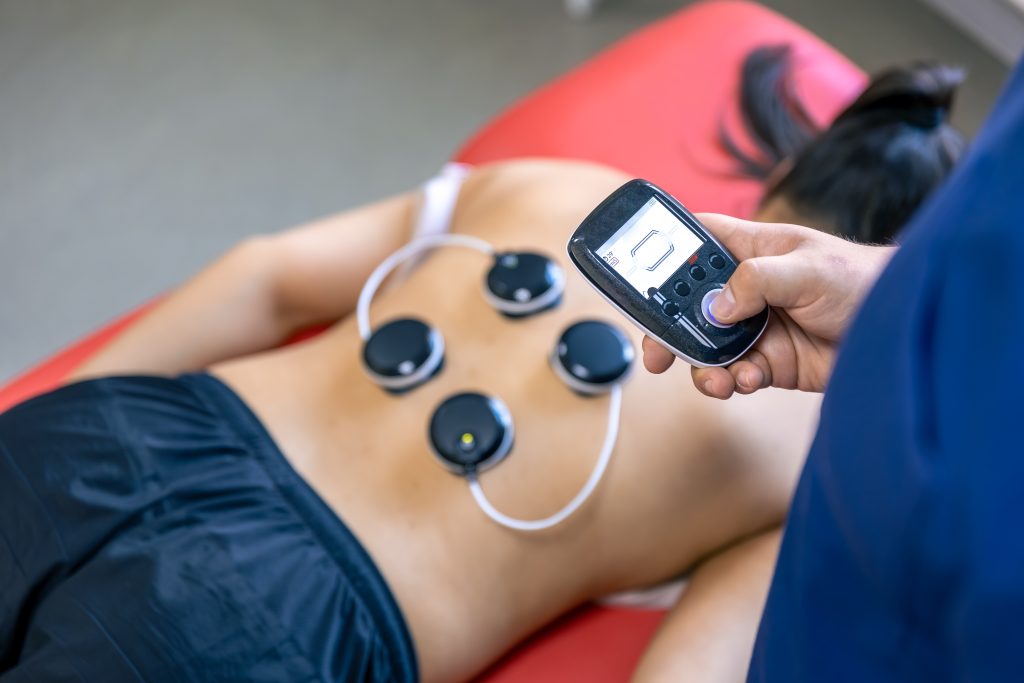
Nerve pain affects millions and can significantly impact quality of life. Whether you experience burning sensations, tingling, or shooting discomfort, finding approaches that work matters. This article explains what research shows about shockwave therapy for nerve pain.
Shockwave therapy, also known as extracorporeal shockwave therapy (ESWT), uses acoustic pressure waves to deliver mechanical energy to tissue. Growing research suggests benefits for certain nerve-related conditions. Individual assessment by qualified practitioners remains essential.
This content is for information purposes only. Individual results vary, and consultation is required for personalised recommendations based on your circumstances.
Summary of the Content:
- Nerve pain, also called neuropathic pain, differs from typical pain because it involves damage or dysfunction of the nervous system.
- Shockwave therapy delivers acoustic pressure waves to tissues and has expanded from managing kidney stones to addressing nerve-related conditions.
- Research shows promise for specific conditions such as postherpetic neuralgia and carpal tunnel syndrome, though the evidence strength varies across diagnoses.
- The therapy may work by improving blood flow to nerves, releasing growth factors, reducing inflammation, and decreasing pain-signalling molecules like substance P.
- Treatment occurs over multiple sessions at weekly intervals, with protocols varying based on the specific condition being addressed.
- Not everyone experiences the same results, and individual responses to shockwave therapy vary considerably among patients with similar conditions.
- Professional assessment is essential to determine whether your specific nerve pain condition aligns with current evidence supporting this treatment approach.
- All treatments produce varying results depending on individual circumstances and the underlying cause of nerve pain.
What Are Nerve-Related Pain Conditions?
Nerve pain, also called neuropathic pain, occurs when the nervous system itself becomes damaged or functions abnormally. This differs from nociceptive pain, which results from tissue damage or inflammation that activates normal pain receptors.
Nociceptive pain responds to standard pain medications, while nerve pain often requires different management approaches.
When peripheral nerves are damaged or dysfunctional, they can send abnormal pain signals to the brain. The spinal cord and brain process these signals, sometimes amplifying them. This creates pain sensations even without ongoing tissue injury.
Common Nerve-Related Pain Conditions
- Peripheral Neuropathy (Including Diabetic Neuropathy)
Peripheral neuropathy involves damage to peripheral nerves outside the brain and spinal cord. Diabetes represents one common underlying cause, though other factors like vitamin deficiencies, infections, and toxic exposures can also lead to this condition. The damaged nerves may affect sensation, movement, or organ function. - Carpal Tunnel Syndrome
This entrapment neuropathy occurs when pressure compresses the median nerve as it passes through the carpal tunnel in the wrist. Repetitive hand movements, anatomical factors, and certain health conditions can contribute to nerve compression. The condition affects hand and wrist function. - Postherpetic Neuralgia (Post-Shingles Nerve Pain)
After a shingles outbreak subsides, some individuals develop persistent nerve pain in the affected area. The varicella-zoster virus damages nerve fibres during the acute infection. This nerve damage can continue causing pain signals long after the rash heals. - Sciatica and Nerve Compression Syndromes
Sciatica involves irritation or compression of the sciatic nerve, often due to herniated discs or spinal stenosis. The pain radiates from the lower back down through the leg. Various nerve compression syndromes can occur throughout the body when surrounding structures press on nerve tissue. - Morton’s Neuroma
This condition involves thickening of tissue around nerves leading to the toes, commonly between the third and fourth toes. The nerve becomes compressed and irritated, creating pain in the ball of the foot. Footwear choices and foot structure may contribute to development. - Trigeminal Neuralgia
This facial nerve pain condition affects the trigeminal nerve, which carries sensation from the face to the brain. Research exists exploring various treatment approaches for this condition. Episodes can occur suddenly and may be triggered by everyday activities like eating or speaking.
Common Symptoms of Nerve Pain
- Burning sensation:
Many people with nerve damage describe a persistent burning feeling in affected areas. This sensation can range from mild warmth to intense burning, interfering with daily activities and sleep. - Tingling:
Often described as “pins and needles,” tingling occurs when nerves send abnormal signals. This symptom may come and go or remain constant depending on the underlying cause. - Numbness:
Reduced or absent sensation in specific areas indicates nerve dysfunction. Numbness can affect safety, as you may not notice injuries or temperature extremes in affected regions. - Shooting pain:
Sharp, electric-like pain that travels along nerve pathways characterises many neuropathic conditions. These sudden pain episodes can be brief or prolonged. - Sensitivity:
Heightened sensitivity, called allodynia, means that normal touch or temperature can cause pain. Even light clothing or bed sheets may trigger discomfort in affected areas.
Impact on Quality of Life and Function
Nerve pain significantly affects daily life beyond physical discomfort. Chronic pain can disrupt sleep patterns, limit mobility, and reduce the capacity for work or leisure activities.
Many patients experience pain that persists despite trying multiple treatment approaches. The unpredictable nature of nerve pain symptoms adds to the challenge, as pain levels may fluctuate without clear patterns.
Social activities become difficult when pain limits participation. The invisible nature of nerve pain means others may not understand the condition’s impact. Mental well-being often suffers alongside physical symptoms, creating an additional burden.
Why Nerve Pain Is Challenging to Manage
Nerve pain presents unique treatment challenges compared to other pain types. The nervous system’s complexity means multiple mechanisms may contribute to symptoms simultaneously.
Standard pain medications that work for nociceptive pain often provide limited relief for nerve pain. Finding approaches that help requires careful assessment of the underlying cause, pain characteristics, and individual response patterns.
Different treatments work for different people, and what helps one person may not help another with similar symptoms. The brain and spinal cord can develop changes that maintain pain signals even after the initial nerve injury heals. This complexity explains why nerve pain often requires a multidisciplinary approach rather than a single treatment.
Understanding Shockwave Therapy (ESWT)
Shockwave therapy represents a non-invasive approach that has expanded from its original medical applications to address various pain conditions. Understanding how this treatment works and the different types available helps you make informed decisions about whether it might suit your situation.
What Is Extracorporeal Shockwave Therapy?
Extracorporeal shockwave therapy delivers acoustic pressure waves through the skin to targeted tissues beneath. These mechanical sound waves carry energy that triggers biological responses in tissue. The therapy originated in urology during the 1980s for breaking up kidney stones without surgery.
Over time, shockwave therapy gained acceptance for musculoskeletal conditions like plantar fasciitis and hamstring tendinopathy. More recently, clinical practice has begun investigating its therapeutic potential for nerve-related conditions. The treatment occurs over multiple sessions at weekly intervals.
The non-invasive nature of shockwave therapy appeals to patients seeking options that don’t involve prescription medicines or surgical procedures. Sessions last 15-30 minutes, and patients can resume normal activities immediately afterwards.
Types of Shockwave Therapy
Two main types of shockwave therapy exist, each with distinct characteristics that influence treatment approaches.
Focused Shockwave Therapy (FSWT)
This technique uses imaging or anatomical knowledge to direct energy to specific treatment locations.
Key characteristics:
- High-intensity waves:
These deliver concentrated acoustic waves to precise target points deep within tissue. - Deep penetration:
Energy reaches structures several centimetres below the skin surface. - Targeting precision:
It allows practitioners to target deeper peripheral nerves and other structures with concentrated mechanical energy. - Imaging guidance:
Healthcare providers use anatomical landmarks for accurate targeting.
Radial Shockwave Therapy (RSWT)
This technique applies pressure waves that spread from a single application point.
Key characteristics:
- Broader coverage:
Radial shock wave therapy spreads energy over a wider area with shallower penetration depth. - Surface treatment:
Waves radiate outward from the applicator’s tip, covering more soft tissue in each application. - Area suitability:
This approach is suitable for conditions where the affected area is larger or more superficial. - Comfort level:
The sensation during radial shock wave treatment tends to be more diffuse for patients.
Different facilities may offer one or both types depending on their equipment and the conditions they commonly address. The right choice depends on your specific condition, treatment goals, and how your body responds.
How Shockwave Therapy Works for Nerve Conditions
Understanding the mechanisms by which shockwave therapy may influence nerve pain helps explain why research is exploring this approach. Multiple biological processes appear to contribute, though scientists continue studying exactly how these effects occur.
Improved Blood Flow to Nerve Tissue
Damaged or compressed nerves often receive insufficient circulation. Shockwave therapy may help address this vascular limitation.
How it works:
- Neovascularisation:
Peripheral nerves require an adequate blood supply to function and heal from injury. - Enhanced circulation:
Research suggests that shockwave therapy stimulates the formation of new blood vessels. - Nutrient delivery:
Improved blood flow delivers more oxygen and nutrients to damaged nerves. - Waste removal:
Better circulation helps eliminate waste products that may contribute to inflammation.
Release of Growth Factors
The body uses specific proteins to coordinate tissue recovery. Shockwave therapy appears to trigger the release of these healing messengers.
Mechanisms involved:
- Cellular response:
When shockwave therapy stimulates tissue, cells respond by releasing various growth factors. - Recovery signals:
These proteins signal the body to initiate recovery processes in nerve tissue. - Specific factors:
Brain-derived neurotrophic factor (BDNF) and vascular endothelial growth factor (VEGF) support nerve regeneration. - Healing environment:
Local release of growth factors creates conditions conducive to recovery around affected nerve endings.
Anti-Inflammatory Effects
Tissue swelling around nerves can worsen pain and dysfunction. Addressing inflammation may relieve some pressure on affected structures.
Key benefits:
- Reduced swelling:
Inflammation around nerves often contributes to compression and irritation that generate pain signals. - Pressure relief:
Shockwave therapy appears to modulate inflammatory responses, potentially relieving pressure on compressed nerves. - Entrapment benefit:
This mechanism applies to entrapment neuropathies in which inflammation of the surrounding tissue contributes to symptoms. - Chemical reduction:
Reduced inflammation decreases chemical irritants that activate pain pathways.
Cellular-Level Healing Responses
Cells throughout the treatment area respond when exposed to acoustic pressure waves. This physical stimulus initiates biological changes.
Process explanation:
- Mechanotransduction:
The mechanical energy from sound waves triggers responses within cells. - Signal conversion:
Cells detect the physical stimulus and convert it into biochemical signals that activate healing programs. - Protein production:
Shockwave therapy may stimulate cells to produce proteins involved in tissue regeneration. - Area activation:
This cellular activation occurs throughout the treatment area, including nerve tissue and surrounding soft tissues.
Reduction of Pain Signalling Molecules
Your body transmits pain sensations through specific chemicals in the nervous system. Shockwave therapy may influence these messenger molecules.
Pain pathway effects:
- Substance P reduction:
Research indicates that shockwave therapy may decrease substance P levels in target tissues. - Signal decrease:
Lower concentrations of substance P mean fewer pain signals reach the brain. - Mechanism difference:
This addresses pain by reducing the actual chemical messengers rather than masking symptoms. - Cumulative benefit:
The effect may help reduce pain over time.
Supporting Nerve Fibre Regeneration
Laboratory studies indicate that damaged nerve fibres might have some capacity to regrow. Whether similar regeneration occurs in humans remains to be studied.
Regeneration potential:
- Animal research:
Studies suggest shockwave therapy might support axonal regeneration after nerve injury. - Functional improvement:
If nerves can regenerate more effectively, function may gradually improve in affected areas. - Long-term mechanism:
This represents a longer-term process that differs from immediate pain relief. - Ongoing investigation:
The extent to which these findings translate to human nerve injury remains an active area of clinical research.
These mechanisms work together rather than in isolation. The combination of improved blood flow, growth factor release, reduced inflammation, and other effects creates conditions that may support nerve healing and pain reduction.
However, responses vary significantly between individuals based on their specific condition, overall health, and other factors.
Current Evidence for Shockwave Therapy in Nerve-Related Conditions
Research exploring shockwave therapy for nerve pain continues to grow, with evidence strength varying depending on the specific condition. Studies with proper control groups provide stronger evidence than early-stage research or individual case reports.
Conditions with Stronger Evidence
Some conditions have more research support than others. Here’s what current studies reveal.
Postherpetic Neuralgia (Post-Shingles Nerve Pain)
This condition has promising research support for shockwave therapy. A 2022 study compared 100 patients who received shockwave therapy plus conventional treatment with those who received conventional treatment alone.
Key findings from the research:
- Pain reduction:
Patients in the treatment group experienced greater pain reduction at 1, 4, and 12 weeks than those in the control group. - Psychological benefits:
Improvements were seen in depression scores alongside pain relief. - Quality of life:
Participants reported better overall well-being during the follow-up period. - Treatment approach:
The protocol involved shockwave therapy sessions combined with conventional pain management approaches.
Results for one nerve pain type don’t automatically apply to all conditions, as different mechanisms may be involved.
Carpal Tunnel Syndrome
Several studies have examined shockwave therapy for this condition, in which the median nerve is compressed at the wrist.
A 2022 clinical trial with 60 patients found that shockwave therapy combined with physiotherapy produced greater and longer-lasting improvements compared to physiotherapy alone.
What the research showed:
- Pain relief:
Patients experienced reduced pain scores that lasted longer than with conventional treatment alone. - Nerve function:
Improved nerve signal transmission was measured through electrical testing. - Hand function:
Participants showed better overall hand function and reduced symptom severity. - Treatment duration:
Protocols typically used 3-8 sessions, depending on individual needs. - Severity matters:
The evidence appears stronger for mild-to-moderate cases than for severe nerve compression.
Response varied between individuals, with some experiencing substantial improvement while others had minimal changes.
Conditions with Emerging Evidence
Other conditions show preliminary promise, though more research is needed before firm conclusions can be drawn.
Diabetic Peripheral Neuropathy
Many people with diabetes develop nerve damage, primarily affecting the feet and legs. Research in this area is still developing, with most evidence coming from animal studies rather than large human trials.
Laboratory studies showed that shockwave therapy helped protect nerves from damage. Small pilot studies in humans suggest potential benefits for diabetic foot pain, but these studies need larger, well-designed trials to confirm results. Blood sugar control remains essential for preventing further nerve damage.
Peripheral Nerve Injury/Regeneration
Animal studies have shown enhanced nerve regrowth after injury. However, human trials are limited. Scientists believe shockwave therapy may work by improving blood flow to injured nerves and activating healing processes.
This represents an active research area rather than an established practice. More studies are needed before this becomes a standard treatment.
Important Limitations in Current Evidence
While research is promising, several limitations exist:
- Most studies involve relatively small participant numbers, typically 40-100 patients.
- Many studies follow patients for only 3 to 6 months, with limited information about longer-term outcomes.
- Different studies use varying treatment approaches, and the most effective protocol for each condition is still being determined.
- Not everyone responds to treatment in the same way, with some patients experiencing significant improvement while others see minimal changes.
- Evidence is concentrated in a few specific conditions, and not all types of nerve-related pain have been studied.
- Some conditions rely on preliminary studies or animal research that cannot yet confirm effectiveness in humans.
These limitations don’t mean shockwave therapy isn’t helpful—they simply mean more research is needed. Individual assessment by qualified practitioners remains essential to determine whether this treatment is right for your situation.
Promoting Healing and Recovery
Recovery after shockwave treatment continues beyond the clinic visit. Everyday choices may influence how your body responds, particularly in cases of overuse injuries or soft tissue discomfort.
Supporting your body through healthy habits may help ease pain, support tissue adaptation, and assist in the management of plantar fasciitis, heel pain, or tendon strain.
Many patients report that lifestyle adjustments complement their overall treatment plan, especially when paired with professional advice and scheduled follow-up care.
Healthy Lifestyle Choices
What you eat, drink, and do can influence your energy, mobility, and comfort—especially during recovery from musculoskeletal injuries or chronic physical discomfort.
- Maintain a nutrient-rich diet.
Whole foods that support circulation and inflammation balance may assist the body during adaptation to shockwave therapy or other components of care. - Stay well hydrated.
Drinking water regularly supports circulation, energy, and focus, particularly during physically or mentally demanding phases of recovery. - Resume gentle movement when approved.
Light walking or stretching, when guided by your clinician, can support mobility without overstressing injured tendons or irritated soft tissues.
These practices may complement therapy and support the body’s natural healing process during recovery.
Avoiding Harmful Habits
Avoiding certain behaviours may support the body’s ability to manage symptoms and reduce potential delays in recovery after shockwave treatment.
- Avoid smoking.
Smoking can limit circulation and oxygen delivery, which may affect soft tissue health, particularly when managing an overuse injury. - Limit alcohol.
High alcohol intake may disrupt sleep, increase inflammation, or reduce concentration, which can interfere with recovery. - Avoid restrictive dieting.
Very low-calorie diets may limit nutrients that support energy, hormone balance, and tissue response during rehabilitation.
Addressing these habits may strengthen the impact of your overall treatment plan and support the body’s ability to stimulate healing.
Rest and Stress Management
Rest and stress regulation are important parts of recovery. Your body needs time to focus its energy on healing and adaptation.
- Prioritise quality sleep.
Deep, uninterrupted sleep supports immune balance, mental focus, and physical recovery during rehabilitation from musculoskeletal injuries. - Use simple stress-management strategies.
Gentle breathing, stretching, or mindfulness techniques may help reduce tension and improve your ability to manage discomfort or setbacks. - Monitor your limits.
If you experience increased pain after activity, consider reducing your effort. Many patients find pacing themselves supports comfort during each stage of recovery.
Engaging in your health journey may support positive outcomes, particularly when combined with clinical advice and a structured care plan.
Is Shockwave Therapy Right for Your Nerve Pain?
Determining whether shockwave therapy is suitable for your situation requires a professional assessment. Not everyone with nerve pain represents an appropriate candidate. Understanding who may benefit helps you have informed discussions with healthcare providers about your options.
Good Candidates for Shockwave Therapy
Certain characteristics suggest you might be suitable for this treatment approach:
- Chronic pain duration:
People who have experienced nerve pain for more than three months may be candidates, as chronic pain often requires different approaches than acute symptoms. - Previous treatment attempts:
Those who have tried conservative treatment options such as physical therapy or prescription medications with limited success may consider this approach. - Non-invasive preference:
Patients seeking drug-free, non-surgical options find shockwave therapy appealing because it doesn’t require incisions or ongoing medication. - Supported conditions:
Individuals with specific diagnoses that have supporting evidence, such as those discussed in previous sections, may be appropriate candidates. - Treatment commitment:
People willing to attend multiple sessions at weekly intervals and follow recommended protocols achieve better outcomes. - Realistic expectations:
Patients who understand that results vary and that shockwave therapy’s effectiveness differs between individuals approach treatment with an appropriate perspective.
Your overall health status matters. The underlying cause of your nerve pain needs evaluation before determining whether shockwave therapy represents a suitable option. Some conditions respond better than others, according to current evidence.
When Shockwave Therapy May NOT Be the Ideal Option
Certain situations mean other treatments may be more suitable:
- Surgical needs:
Severe nerve compression requiring surgical intervention takes priority over non-invasive approaches like shockwave therapy. - Medical contraindications:
People with pacemakers, pregnant women, those taking blood-thinning medications, individuals with infections in treatment areas, or those with cancer in the region should avoid this therapy. - Undiagnosed conditions:
When nerve pain hasn’t been properly diagnosed by a doctor, identifying the underlying cause is the first step before pursuing specific treatments. - Acute injury timing:
A very recent nerve injury may require different initial management before considering shockwave therapy. - Discomfort tolerance:
Treatment can cause mild discomfort, so patients unable to tolerate these sensations during sessions may find the experience challenging. - Unrealistic outcome expectations:
Individual responses vary considerably, and not everyone experiences significant improvement.
Your medical history influences suitability. Certain health conditions create contraindications that make shockwave therapy unsafe. A thorough evaluation identifies any factors that would make treatment inadvisable.
The Importance of Professional Assessment
Individual circumstances vary considerably. What works for one person with nerve pain may not work for another with similar symptoms.
Professional assessment includes:
- Diagnosis confirmation:
Your practitioner confirms your symptoms stem from nerve pain diagnosed through appropriate testing rather than other pain types. - Condition evaluation:
The assessment determines the severity and specific characteristics of your nerve-related condition. - Management history review:
Your practitioner reviews what other approaches you’ve tried and how your body responded to previous interventions. - Contraindication screening:
The evaluation identifies any medical factors that would make shockwave therapy unsafe or inappropriate for you. - Alternative discussion:
Your practitioner reviews all available options—not just shockwave therapy—so you understand the full range of approaches. - Expectation setting:
Your practitioner discusses what the therapy might realistically achieve based on current evidence for your specific condition.
Collaborative decision-making matters. Your healthcare provider brings medical skills and experience while you contribute knowledge about your symptoms, lifestyle needs, and treatment preferences. Together, you can determine the right treatment path.
Final Thoughts

Shockwave therapy for nerve pain shows promise in research for specific conditions like postherpetic neuralgia and carpal tunnel syndrome. The evidence base continues to develop, and individual responses vary considerably. Some patients experience meaningful symptom reduction while others have minimal changes.
A professional assessment determines whether this treatment is suitable for your situation. Impact Shockwave and Technology Centre provides consultations where qualified practitioners evaluate your condition and discuss whether current evidence supports this approach for your nerve pain. The assessment process clarifies appropriate treatment options based on your circumstances.
If nerve pain affects your quality of life, booking a consultation allows for an informed discussion about your options. Understanding what research shows and working with experienced practitioners helps you make decisions aligned with your health goals.
