
- 1 Summary of the Content:
- 2 Understanding Tissue Healing: The Basics
- 3 How Shockwave Therapy Influences Long-Term Tissue Healing
- 4 Long-Term Outcomes: What Research Shows
- 5 Factors That Influence Long-Term Success
- 6 What Patients Should Know About Long-Term Maintenance
- 7 Current Research Gaps and Future Directions
- 8 Final Thoughts
Effects of Shockwave Therapy on Tissue Healing
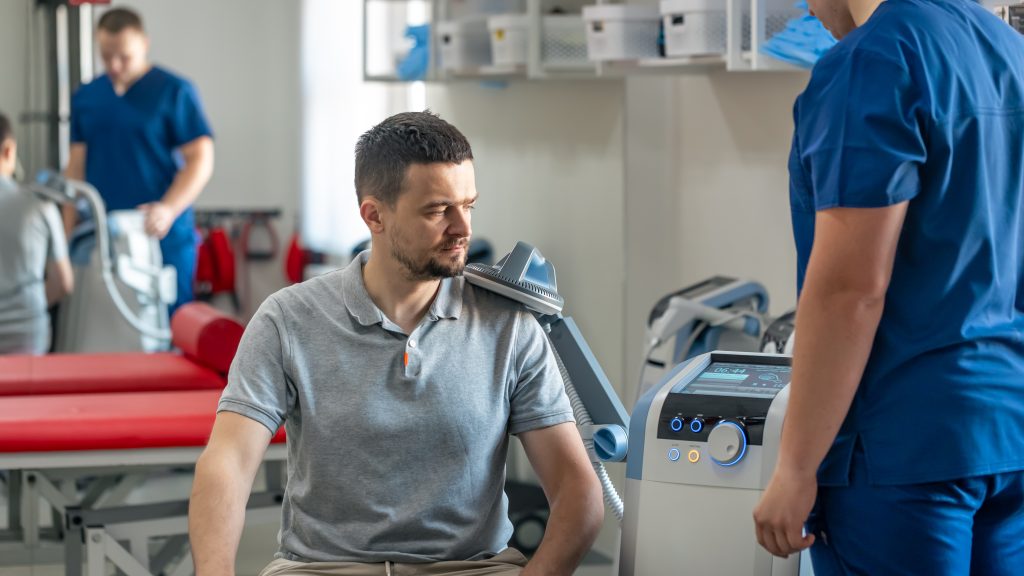
Shockwave therapy is a non-invasive approach that uses sound waves to influence activity within soft tissues. It is used in physical therapy settings and may support people managing soft tissue injuries or musculoskeletal disorders.
Some providers use radial shockwave therapy, while others use focused shockwave therapy, depending on the area involved.
Understanding the long-term effects of shockwave therapy can help people make informed decisions. Long-term changes matter because many soft-tissue concerns develop gradually.
Research also suggests that certain biological responses may play a role in tissue regeneration over extended periods.
This information is educational. It does not replace personalised guidance. Responses can vary, and a qualified health professional can assess whether this approach may be suitable for a person’s specific situation.
Summary of the Content:
- The effects of shockwave therapy relate to mechanical forces that influence soft tissue behaviour over time.
- Acoustic stimulation from shockwave therapy can influence cellular activity linked to long-term adaptation.
- Radial shockwave therapy and focused methods create pressure changes that interact with surrounding structures.
- Tissue regeneration may occur as cells respond to mechanical loading within the affected region.
- Circulation patterns may shift in some individuals, influencing comfort during daily tasks.
- Long-standing soft tissue conditions may respond differently compared with recent sports injuries.
- Movement habits, load exposure, and health status shape how tissues adjust over extended periods.
- Some studies report reduced sensitivity in certain situations, but responses vary.
- Session spacing and planning may influence the clinical outcome in selected situations.
- Rehabilitation exercises may support long-term adaptation when used with shockwave approaches.
- Follow-up assessments allow clinicians to review progress and adjust strategies when needed.
Understanding Tissue Healing: The Basics
Soft tissues progress through several biological stages after strain or overload. These stages help explain why soft tissue injuries and musculoskeletal disorders can change slowly over time.
- Inflammatory Phase
The inflammatory phase begins shortly after soft tissues experience strain or overload. During this stage, circulation increases in the area, and various cells become active as the body responds to the change.
These early biological events help clear damaged material and create the conditions needed for later structural organisation within the tissue. - Remodelling Phase
The remodelling phase progresses over a longer period and can continue for many months. During this time, fibres within the affected area slowly organise into patterns that support movement and daily activity.
Progress varies between individuals, as factors such as load, health status, and movement habits can influence how the tissue adapts over time.
The following are some factors that may influence longer-term progress:
- Ongoing load:
Daily tasks may continue to put pressure on the area, potentially slowing biological changes and affecting comfort levels. - Movement habits:
Repeated movement patterns can add strain to certain regions of the body and may affect progression. - Activity demands:
High-demand tasks or frequent physical activity can challenge tissues as they adapt, especially during early phases. - General health:
Factors such as age, circulation, and overall health may influence how the body responds to soft tissue changes. - Soft tissue conditions:
Some areas adapt more slowly due to their structure, location, or the loads they carry each day.
Understanding these biological phases helps explain why soft-tissue concerns can progress at different rates.
How Shockwave Therapy Influences Long-Term Tissue Healing
Shockwave therapy uses acoustic waves that move through soft tissues. These waves create brief mechanical forces that can influence the behaviour of surrounding cells. During a treatment session, these forces may activate biological responses that unfold gradually.
These responses can be relevant for people with soft tissue conditions or sports injuries. This is especially true when other conservative treatment options have had limited effect.
- How the mechanical process works
Acoustic waves reach the target area and create small changes in pressure. These changes influence cellular structures and activate signals within the surrounding tissues.
This process is part of how shockwave therapy works and forms the basis of both shockwave therapy and radial shockwave therapy approaches. - Neovascular changes (blood vessel-related activity)
Some research suggests shockwave exposure may influence signals involved in new blood vessel formation and local blood flow in certain settings. These responses have been observed over weeks to months in specific studies. The timeline and size of any effect can vary greatly between individuals. - Cellular and tissue-level activity
Basic research and clinical reviews suggest that mechanical stimulation from shockwave exposure may influence cellular signalling linked to inflammation and blood vessel activity.
These observations come from controlled laboratory and clinical settings. They may help explain why some people experience changes after treatment. These findings do not apply to every situation and do not guarantee any outcome.
Responses vary, and any tissue-level changes depend on energy levels, tissue depth and overall health. - Calcification-related changes
Some radial shock wave therapy and focused approaches are used in cases where calcium deposits are present. Acoustic waves may influence how these deposits behave over time. Individual responses vary and depend on depth, density, and surrounding tissue characteristics. - What this may mean long-term
When these biological events occur together, they may lead to several gradual changes:- The tissue may develop new organisational patterns over time.
- Blood flow within the area may shift in a way that supports local function.
- Nerve-related signals may adjust, which may reduce pain for some individuals.
- Tissue strength and elasticity may evolve over longer periods.
- Evidence limitations
The current evidence has several limitations:- Many studies explore the potential clinical efficacy of shockwave approaches, but differences in study design limit broad conclusions.
- Methods differ significantly between studies, including energy levels and device types.
- Individual responses vary widely and cannot be predicted from study averages.
- Research findings may not apply outside the specific situations examined.
A personalised assessment by a qualified health professional is essential.
Long-Term Outcomes: What Research Shows
Research exploring long-term outcomes of shockwave therapy continues to develop. Findings differ between studies, and results depend on many factors.
Plantar Fasciitis
Several systematic reviews on plantar fasciitis describe changes in comfort levels and movement patterns across several months. These changes vary between individuals. Load patterns, daily activity levels, and general health may influence results. Some people may need additional sessions, while others may not.
Tendinopathies (Achilles, rotator cuff, tennis elbow)
Studies exploring tendon-related concerns have examined how acoustic waves interact with endothelial cells, collagen organisation, and the target tissue environment.
A peer-reviewed article in the Journal of Clinical Medicine summarised biological responses reported after shockwave exposure in different studies. These responses included changes related to blood vessel activity, cellular signalling and the extracellular matrix. The authors noted that results vary between studies and that further research is required.
Chronic Pain Conditions
Research examining nerve-related responses and mechanical stimulation has explored how shockwave therapy may influence sensory pathways involved in chronic pain. The underlying mechanisms remain under investigation, and responses vary widely between individuals.
Research considerations
When reviewing long-term findings:
- It helps to check whether the study included a control group for comparison.
- It is useful to note whether the pressure waves were radial or focused.
- It helps to see whether therapeutic ultrasound or other methods were used alongside shockwave therapy.
- The baseline condition of the injured tissue matters because structural differences can affect responses.
- It helps to know whether the study examined fracture healing, clinical orthopaedics, or soft tissue situations.
- It is also important to recognise that methods vary across clinical practice, which can affect interpretation.
Treatment outcomes vary significantly between individuals. These observations cannot be interpreted as a guarantee of results. A consultation with a qualified health professional is essential for a personalised assessment.
Factors That Influence Long-Term Success
Several elements can influence how someone responds to shockwave therapy over time. These elements relate to the body’s natural healing processes, the condition itself, and lifestyle patterns.
Because individual situations vary, these points should be understood as general considerations rather than predictors of an outcome.
- Severity and duration of the condition
Long-standing issues can affect the behaviour of soft tissue and surrounding musculoskeletal structures. People with long-term irritation, such as chronic plantar fasciitis, may experience slower changes because the target tissue has adapted over time.
Both the negative phase and positive phase of the condition can influence how tissues respond to mechanical forces. - Consistency with recommended activity and load adjustments
Changes in movement habits or load patterns may influence how the body responds to acoustic waves and pressure waves. These changes can support processes that promote healing, especially when tissues experience ongoing strain during daily life. - Lifestyle factors
Daily routines can influence tissue behaviour. Activity levels, footwear choices, work demands, and ergonomics may affect conditions such as plantar fasciitis or other musculoskeletal conditions.
These habits can shape how tissues respond to mechanical stimulation from either shockwave therapy or radial shockwave therapy. - Overall health status
General health can influence cellular responses, including protein synthesis and growth factor activity. These biological processes support tissue stability and may influence how someone responds across longer periods. - Number and spacing of sessions
The way sessions are spaced may influence how tissues interact with pressure waves. Some clinical studies explore different intervals, but responses vary and are influenced by many variables. - Combination with other therapies
Some people use shockwave methods alongside therapeutic ultrasound or exercises designed to support tissue capacity. These combinations may influence the behaviour of nerve endings.
These factors highlight why responses to shockwave approaches can differ widely. A qualified health professional can offer guidance based on an individual assessment of your condition and goals.
What Patients Should Know About Long-Term Maintenance
People often want to understand how long-term maintenance works after shockwave therapy. The points below may help set realistic expectations. Each point reflects natural variation in musculoskeletal conditions and differences in how individuals respond to mechanical stimulation from acoustic or pressure waves.
Realistic timeline expectations
Tissues adjust at different speeds, especially in conditions such as plantar fasciitis. Both the positive and negative phases of the condition can influence progress. Some individuals notice gradual changes over longer periods. Others may observe slower adjustments.
Importance of follow-up assessments
Follow-up assessments allow a clinician to review changes in symptoms, movement patterns, and daily function. These reviews may also help identify significant differences in how tissues respond to radial shockwave therapy or extracorporeal shockwave approaches.
When additional sessions might be considered
Some people may benefit from periodic sessions when symptoms fluctuate or activity levels increase. These decisions depend on individual needs and are not based on fixed timelines.
Role of rehabilitation exercises
Exercises that support strength and mobility can help tissues adjust over time. These activities may complement mechanical stimulation from acoustic waves and reduce strain on sensitive structures.
Signs that may warrant re-evaluation
New discomfort or changes in movement patterns may indicate that a reassessment is helpful. These changes may relate to tissue behaviour, daily demands, or temporary responses. Long-term responses vary widely between individuals. A qualified health professional can help determine whether further sessions or other strategies may be suitable for your situation.
Current Research Gaps and Future Directions
Research into shockwave therapy continues to grow, especially in the management of musculoskeletal conditions and soft-tissue injuries. Many studies explore how acoustic energy interacts with the body.
However, researchers are still working to understand how these responses develop over longer periods. Being open about these gaps helps maintain transparency and supports evidence-based decision-making.
Areas where more long-term research is needed
Researchers continue to examine how extracorporeal shockwave approaches influence tissues across extended timelines. These questions include how collagen behaves, how nerve responses change, and how some individuals may experience reduced symptoms over time.
More data is needed to understand how tendons, muscles, and other structures adjust in conditions such as Achilles tendinopathy. These uncertainties relate directly to long-term effectiveness.
Ongoing studies and emerging evidence
Some studies explore how mechanical stimulation affects cellular activity linked to inflammation and tissue organisation. Other research is examining whether focused energy or radial shockwave therapy produces different responses in specific situations.
These studies aim to demonstrate how various methods and devices interact with the target tissue. Early findings may appear beneficial in some groups. They still require further evaluation before broader conclusions can be made.
Importance of individualised treatment approaches
Responses to mechanical stimulation differ widely, even among people with similar conditions. These variations highlight the need for individual assessment, especially in situations that involve tendons or deeper structures.
The potential benefits of a given approach may depend on factors such as tissue depth, general activity levels, health status, and previous injuries. What works for one person may not be suitable for another.
Future research will help clarify how energy levels, device types, and protocol designs influence long-term responses. Until more data are available, shockwave approaches should be guided by individual assessments and balanced clinical reasoning.
Final Thoughts
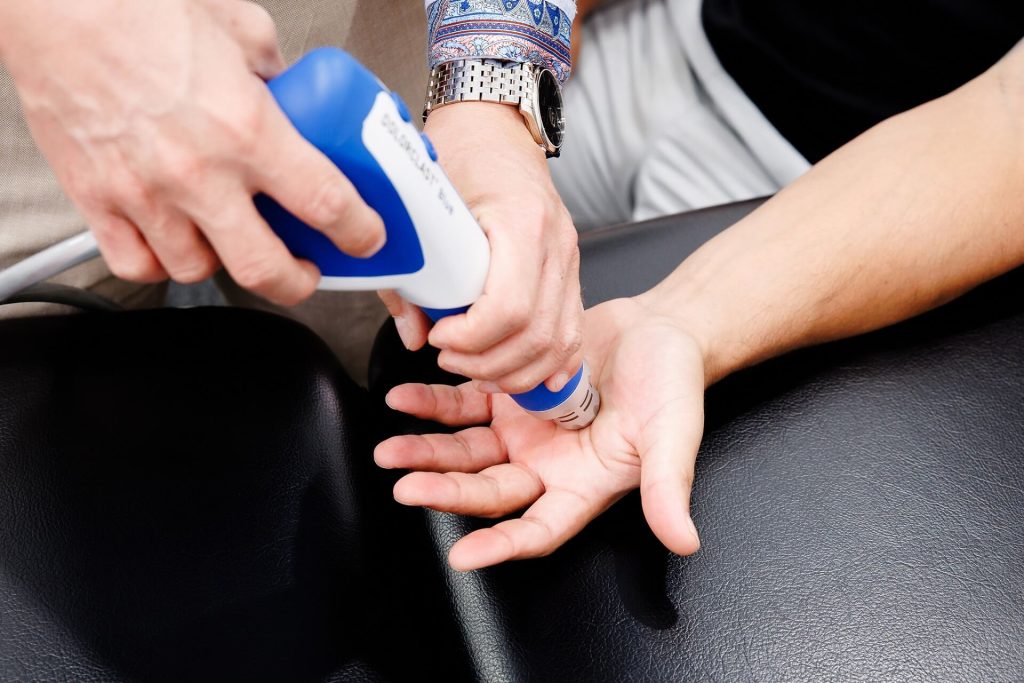
Current evidence suggests that the effects of shockwave therapy may relate to gradual changes in cellular activity, circulation, and tissue behaviour. These patterns can develop over extended periods. Individual responses vary.
Approaches such as radial shockwave therapy or focused methods may be considered depending on the situation. The characteristics of the soft tissue conditions involved also influence planning.
People who experience sports injuries or injured soft tissues may notice different changes compared with those living with long-standing musculoskeletal concerns. Research exploring how shockwave therapy work suggests that some individuals may observe adjustments linked to tissue regeneration. Some also notice shifts that may reduce pain. Responses still differ widely.
A qualified clinician can offer guidance on whether a shockwave treatment approach may suit your needs. They can also explain how strategies such as ultrasound therapy may fit into your plan.
To learn whether shockwave therapy may be appropriate for your specific condition, you are welcome to arrange a consultation with Impact Shockwave and Technology Centre.
